

In today’s digital world, online visibility is no longer optional — it’s essential. Whether you’re running a small local shop or managing a large enterprise, your potential customers are online, searching for products and services they need. But how do you make sure your business appears at the right moment, in front of the right audience?
The answer lies in Google Ads.
Google Ads is one of the most powerful online advertising platforms, allowing businesses to reach their audience with precision and efficiency. If you’ve ever wondered “What is Google Ads and how does it work?”, this guide will provide a clear, step-by-step explanation, along with actionable tips to help your business succeed.
What Is Google Ads?
What is Google Ads? Google Ads (formerly Google AdWords) is Google’s online advertising platform that allows businesses to display ads across Google Search, YouTube, and the Google Display Network. Understanding what is Google Ads is crucial for businesses looking to reach their target audience quickly and effectively. It is a pay-per-click (PPC) advertising system, meaning you only pay when someone clicks on your ad, ensuring your advertising budget is spent on users who show genuine interest in your products or services.
There are several types of Google Ads, including Search Ads, Display Ads, Shopping Ads, Video Ads, and more. Among these, Performance Max (PMax) campaigns are an advanced option that uses AI and automation to deliver ads across all Google networks, maximizing reach and conversions.
For example, if someone searches for “digital marketing agency near me” or “best running shoes online,” Google can display your ad at the top of search results. By understanding what is Google Ads and choosing the right campaign type, businesses gain instant visibility, attract potential customers faster than organic SEO alone, and ensure their message reaches people actively searching for their offerings. This makes Google Ads a highly effective and measurable marketing tool for growth.
How Does Google Ads Work?
Many business owners ask, “How does Google Ads work?” The system relies on a bidding and auction model combined with ad relevance and quality to determine which ads are shown and in what position.
Here’s a detailed breakdown:
Step 1: Keyword Targeting
Keywords are the foundation of Google Ads campaigns. They are the search terms that potential customers type into Google.
Example:
- A bakery might target keywords like “birthday cakes near me” or “custom cakes delivery.”
- A car rental service might use “affordable car hire in Dubai” or “weekly car rental deals.”
The right keyword selection ensures your ads are shown to people most likely to convert into leads or sales.

Step 2: Setting Your Bid
Google Ads operates on a bidding system. You set a maximum bid, which is the highest amount you are willing to pay for a click on your ad.
Your ad placement is determined by Ad Rank, which considers:
- Bid Amount — how much you are willing to pay.
- Quality Score — Google’s evaluation of your ad relevance, expected click-through rate (CTR), and landing page experience.
Even if your bid is lower than competitors, a highly relevant ad with a strong landing page can outrank higher bids.
Step 3: Ad Auction
Every time a user performs a Google search, an instant auction occurs. Google evaluates all advertisers targeting that keyword based on Ad Rank.
Ad Rank = Bid Amount × Quality Score
This ensures that users see ads that are not only paid for but also relevant and useful.
Step 4: Ad Display and Click
If your ad wins the auction, it is displayed in Google search results, marked as “Ad” or “Sponsored.”
When someone clicks on your ad, they are directed to your landing page, and you are charged based on the cost-per-click (CPC).
Tip: A well-designed landing page aligned with your ad is crucial. It can significantly increase your chances of converting clicks into sales or leads.
Types of Google Ads Campaigns
Understanding what is Google Ads is essential for businesses aiming to grow online. Google Ads offers a variety of options to reach potential customers effectively. There are several types of Google Ads, including Search Ads, Display Ads, Shopping Ads, Video Ads, and more. Among these, Performance Max (PMax) campaigns stand out as an innovative solution, leveraging automation and AI to deliver ads across all Google networks, ensuring maximum reach and conversions. By choosing the right types of Google Ads and optimizing campaigns like PMax, businesses can target the right audience, boost traffic, and achieve measurable results efficiently.
Google Ads offers a variety of campaign types to match different business goals:
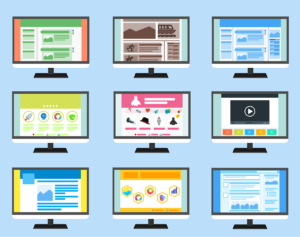
what is Google Ads is crucial for businesses aiming to boost online visibility and reach the right audience effectively. Google Ads offers multiple campaign options, each tailored to meet specific marketing goals. Knowing the types of Google Ads helps businesses select the right approach to maximize engagement, traffic, and conversions.
1. Search Ads
Search Ads are text-based advertisements that appear at the top or bottom of Google’s search results page. They are ideal for capturing high-intent users—people actively searching for specific products or services. For example, a plumbing service targeting “emergency plumber near me” can appear at the top of relevant searches, attracting users ready to hire immediately. Search Ads are highly measurable and allow businesses to set budgets, target specific keywords, and adjust bids based on performance. They are particularly effective for driving direct leads and sales, making them one of the most popular types of Google Ads.
2. Display Ads
Display Ads are visual banner ads shown across the Google Display Network, which includes websites, apps, and YouTube. These ads help businesses increase brand awareness and retarget visitors who may not have converted on their first visit. For example, a travel agency can place a banner ad on a popular travel blog, reminding users of their services and encouraging them to book.
3. Video Ads
Video Ads appear on YouTube and are an excellent way to engage audiences through storytelling, tutorials, or product demonstrations. A 20-second demo of a fitness product before a workout video, for example, can grab viewers’ attention and drive them toward conversion. What is Google Ads becomes more effective when businesses leverage Video Ads to connect visually with their audience.
4. Shopping Ads
Shopping Ads are designed for e-commerce businesses, displaying product images, prices, store names, and other details directly in search results. If someone searches for “wireless headphones,” they see multiple options with images and prices, making it easier to compare and purchase. These ads increase visibility for products, highlight competitive pricing, and encourage immediate buying decisions. Shopping Ads can also integrate with Google Merchant Center for automated product updates, ensuring users always see accurate information.
5. App Campaigns
App Campaigns promote mobile applications across Google Search, YouTube, Google Play, and other platforms. They are automatically optimized to maximize app downloads or user engagement, allowing businesses to reach the right audience without manual intervention.

6. Performance Max (PMax) Campaigns
Performance Max campaigns are an AI-driven solution that automates ad delivery across all Google platforms—Search, Display, YouTube, Maps, and Gmail. By understanding what is Google Ads and using PMax, businesses can maximize conversions, reach broader audiences, and achieve measurable results with minimal manual setup.
By selecting the right combination of types of Google Ads and leveraging innovative campaigns like Performance Max, businesses can attract targeted traffic, increase brand awareness, and drive higher conversions. Understanding what is Google Ads ensures campaigns are not only efficient but also aligned with overall marketing goals, making it a highly effective tool for growth.
Why Businesses Should Use Google Ads
Google Ads is valuable for businesses of all sizes. Here’s why:
- Instant Visibility: Appear on top of search results immediately.
- Targeted Advertising: Reach users by keywords, location, demographics, device type, and online behavior.
- Flexible Budget: Set daily or monthly limits and adjust anytime.
- Measurable Results: Track clicks, conversions, and ROI in real time.
- Remarketing Opportunities: Re-engage users who visited your site but didn’t convert.

Key Components of a Successful Campaign
A successful Google Ads campaign relies on several key components working together effectively. It begins with clear goals that define what you want to achieve—whether it’s more sales, website traffic, or brand awareness. Next comes targeted keyword research to ensure your ads reach the right audience. Compelling ad copy and strong visuals help grab attention, while a well-optimized landing page ensures visitors take action. Finally, continuous performance tracking and optimization allow you to refine your strategy, improve ROI, and achieve consistent results.
Creating a high-performing campaign requires attention to detail:
Use tools like Google Keyword Planner to identify relevant, high-intent keywords.
- Ad Copy:
Write clear, compelling headlines with strong CTAs like “Get a Free Quote” or “Book Now.”
- Landing Pages:
Ensure the page matches your ad, loads quickly, and encourages conversion.
- Ad Extensions:
Enhance ads with site links, phone numbers, locations, or offers.
- Conversion Tracking:
Measure ROI using Google Analytics or Ads tracking tools.
How Google Ads Helps Business Growth
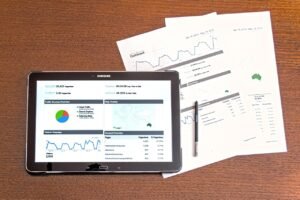
Google Ads helps businesses grow by increasing their online visibility and attracting potential customers at the right time. Through targeted ads, businesses can reach people actively searching for their products or services, leading to higher-quality leads. With flexible budgeting, measurable results, and powerful analytics, Google Ads allows companies to optimize performance, boost conversions, and achieve faster, sustainable business growth.
When done right, Google Ads can drive measurable results:
-
Increase Sales and Leads: Direct high-intent traffic to your website by targeting users actively searching for your products or services. Understanding what is Google Ads helps you design campaigns that attract the right audience and boost conversions.
-
Boost Brand Awareness: Even impressions without clicks contribute to brand recognition. Repeated exposure to your ads builds trust with potential customers and increases familiarity over time. Using various types of Google Ads, like Display Ads and Video Ads, enhances visibility across multiple platforms.
-
Local Business Growth: Geo-targeting features allow small and local businesses to reach customers in specific areas. Whether through Search Ads or location-specific campaigns, you can attract nearby users and increase foot traffic or local leads.
-
Improved ROI: Pay only for clicks with a pay-per-click system, ensuring your budget is spent on users genuinely interested in your offerings. Real-time performance tracking allows you to optimize campaigns continuously, improving return on investment.
-
Maximized Conversions with Performance Max (PMax): Leverage AI-driven campaigns that automatically distribute your ads across all Google platforms—including Search, Display, YouTube, Maps, and Gmail—helping businesses maximize conversions and reach a broader audience efficiently.
-
Measurable Results: Every campaign is trackable, allowing you to analyze which types of Google Ads perform best, identify high-performing keywords, and refine your marketing strategy for better results.
Common Mistakes to Avoid
- Using too many broad keywords
- Ignoring negative keywords
- Poor landing page experience
- Not testing ad variations
- Skipping conversion tracking
- Setting campaigns and leaving them unoptimized
Avoiding these mistakes ensures campaigns remain cost-effective and high-performing.
Advanced Tips for Google Ads Success
- Use Negative Keywords: Filter out irrelevant searches to save budget.
- Leverage Ad Scheduling: Show ads when your target audience is most active.
- Experiment with Ad Variations: Test headlines, CTAs, and visuals to improve CTR.
- Remarketing Campaigns: Re-engage past visitors for higher conversion rates.
- Monitor Quality Score: Ensure your ads and landing pages are relevant and high-quality.
The Future of Google Ads
AI and automation are transforming Google Ads. Features like Smart Bidding, Performance Max, and Responsive Search Ads automatically optimize campaigns to deliver better ROI.
Early adoption of these tools can help businesses save time, reduce costs, and increase conversions, keeping them competitive in the ever-changing digital landscape.
Conclusion
Understanding “What is Google Ads and How Does It Work?” is the first step toward mastering online advertising and reaching your target audience effectively. For businesses of all sizes, knowing what are Google Ads and how they function allows you to create campaigns that connect with users actively searching for your products or services.
Key Takeaways:
-
Target High-Intent Users: Google Ads ensures your business reaches users actively looking for your offerings, making your advertising budget more efficient.
-
Smart Placement Strategies: Ad placement depends not only on your bid but also on ad quality and relevance, highlighting the importance of well-optimized campaigns.
-
Campaign Success Requires Planning: Strategic campaign planning, ongoing optimization, and analytics are crucial for consistent results.
-
Versatile Campaign Options: By exploring different types of Google Ads, including Search Ads, Display Ads, Shopping Ads, Video Ads, App Campaigns, and Performance Max (PMax), businesses can target audiences across multiple platforms and devices effectively.
-
Maximized Conversions with PMax: Performance Max campaigns leverage AI and automation to deliver ads across all Google networks, helping businesses increase reach, improve conversions, and achieve measurable results.
-
Measurable Growth: With proper execution, Google Ads drives leads, sales, builds brand awareness, and supports long-term business growth.
By combining thorough keyword research, compelling ad copy, optimized landing pages, and continuous testing, your business can fully leverage Google Ads, understand what is Google Ads and what are Google Ads, and utilize PMax campaigns as a powerful engine for online success.
Nice blog